As we approach that time of year again, with the spectre of end of year exams creeping slowly into our lives, I thought I’d share an exercise I recommend to help keep anxiety at bay.
Our children diligently store facts, figures and techniques in their memories in the run up to exams. Perhaps they arrive at the exam centre, wait to go in, sit in their seats, watching the overturned paper in front of them – heart pounding, breathing shallow, muscles tensed. During the exam, they need access to all the memories they worked so hard to accumulate, they need to process the questions in front of them and problem solve to find answers. They need certain areas of their brains, such as the prefrontal cortex, to operate optimally.
What happens in the brain when we are stressed?
When we are stressed, an area of the brain called the amygdala kicks in, closing down other parts of the brain in order to prepare our bodies to run away. This is not something you want your brain doing during an important exam. I’ve certainly experienced this in an exam and been completely unable to remember something I had thoroughly revised.
We can get stressed in the lead up to an exam, whilst waiting for the exam to begin and if we encounter a difficult question during the test which throws us off balance.
We need a way to switch off the amygdala and re-activate the whole brain. Mindfulness has been proven to facilitate this.
The exercise
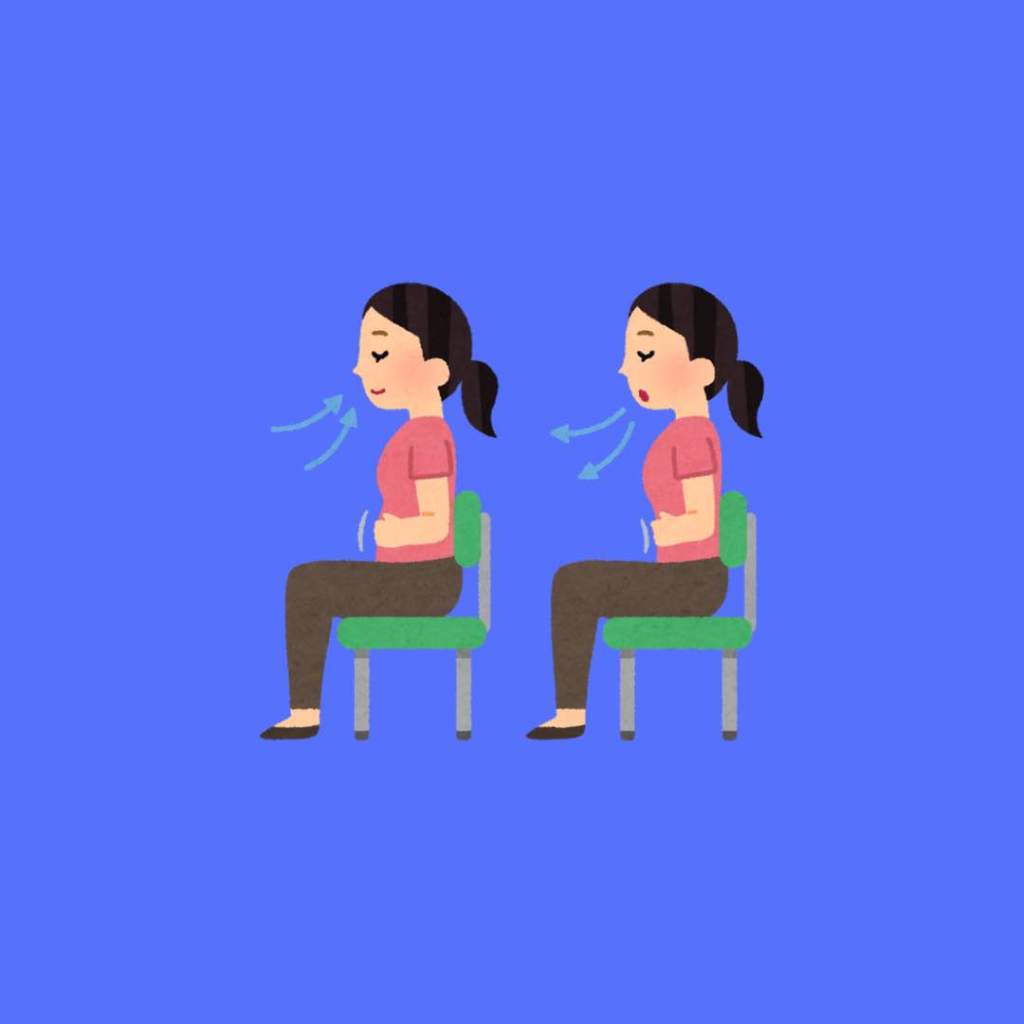
This is an exercise I suggest my students practise in the run up to exams. The key things for them to learn to do are focus on the moment, control their breathing and notice their breath. They can do this anywhere, anytime, but for exams, it’s best to practise sitting down. This is something you can do together with your child – I use this myself too.
- Sit comfortably, eyes closed if you like.
- Breathe in through your nose for 3 slow counts
- Hold you breath for one slow count
- Breathe out through your mouth for 4 or more slow counts
This should be repeated a few times. You can vary the number of counts breathing in, holding and breathing out, as long as you breathe out for a longer count than breathing in.
As you breathe:
- Notice the feel of the air passing through your nose
- Notice the feel of the air passing out of your mouth
- Notice where your body touches the chair – your back, the rising and falling of your chest, your arms, your seat bones, your legs, and finally your feet on the ground.
- Notice sounds around you but dismiss them and return to focussing on your body, your breathing and the air flowing in and out
If you find that your mind wanders, this is fine, but bring it back each time to your breathing, airflow and your body in the now.
And that’s it…
It takes a bit of practice to train your mind to come back from little meanders here and there, therefore it’s worth starting to practice this technique with your child a few weeks before an exam so that they are armed and ready to use it if they need to.
It seems a little weird at first but it does work and is a very powerful tool to use to keep exam anxiety at bay – it’s also great for parents, carers, and teachers too!
 Everything Exams
Leave a comment