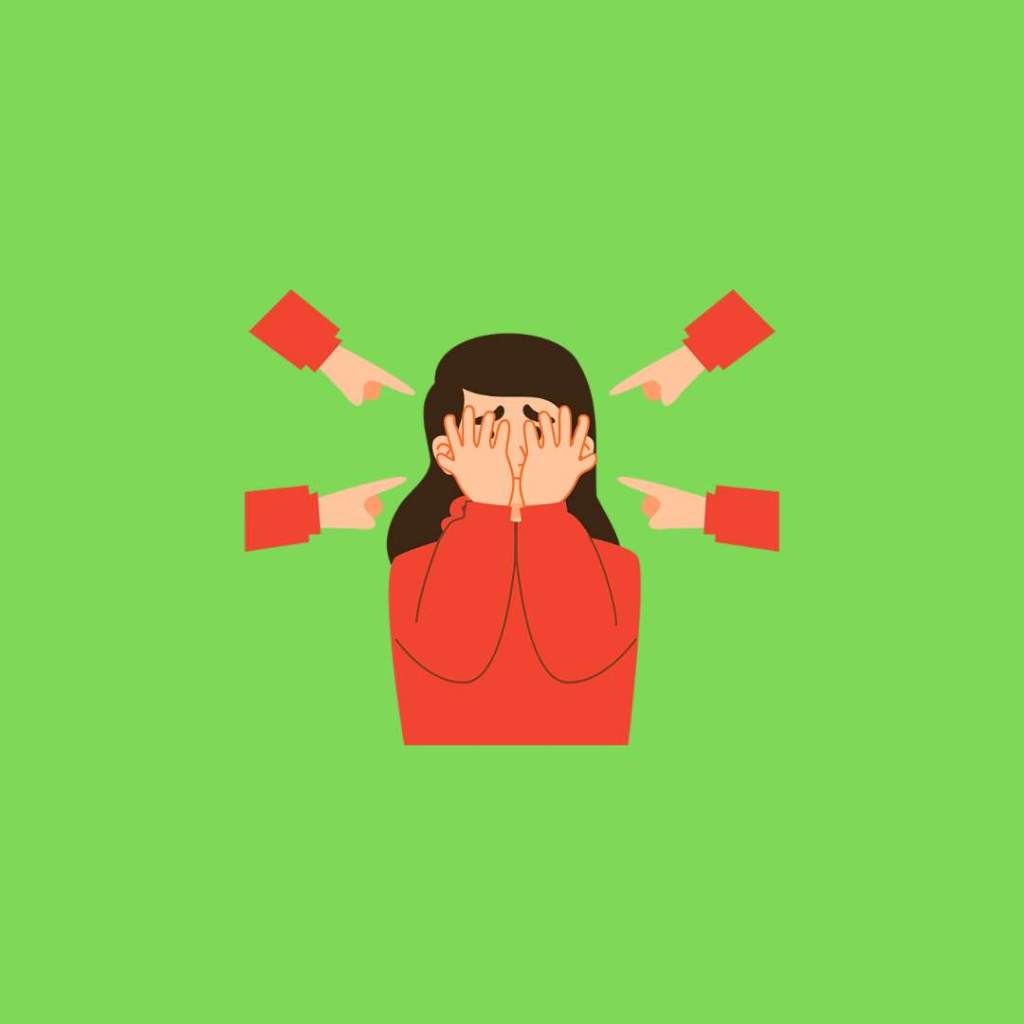
Bullying is a serious problem for society as a whole and can be devastating for victims. I have witnessed first hand the appalling consequences that bullying can have and have known several children who were so severely affected by the behaviour of other children that they ended up having to change schools to escape their bullies. Some of the bullying was physical but much of it was psychological and the saying, “Sticks and stones can break your bones but words can never harm you,” is absolutely untrue. Interested in why people bully and what parents might be able to do to avoid it, I have taken a bit of a deep dive into the subject. Some of the results are surprising. I’ll start with a quick definition of what I mean by bullying.
What is bullying?
Definitions of bullying vary, but in essence, bullying is behaviour by one person who hurts another person, either physically or emotionally, and which repeatedly happens over a period of time. Bullying is usually accompanied by an imbalance of power between children and is intentional. It’s a systematic abuse of power. Groups of individuals may be involved as either perpetrators or victims. For a snapshot of the extent to which bullying is happening, in the UK ONS Crime Survey for 2017-2018, 22% of 10-year-olds said that they had been bullied. In the US, the National Centre for Educational Statistics reported similar findings for the same year amongst all students – that’s more than 1 in 5 of our children experiencing bullying on a regular basis. Other surveys have found that 1 in 3 of all children have experienced bullying at some point in their childhood. What used to be limited to the playground or the walk home from school, bullying now occurs in increasingly diverse and intrusive locations and it’s a challenge for parents, educational establishments and any form of legislation to keep up. With the online environment continuing to grow, the nature of and opportunities for bullying continue to expand.
What impact does a bully have on a victim and what reward do they seek?
It’s useful to understand where bullying might stem from in evolutionary terms. Bullying makes more sense if we go back to primeval times, when individuals had to fight for status, access to resources, dominance and mating rights. Bullies want to control and improve their own position by hurting other people with lower perceived status than themselves. Bullying isn’t just a minor irritation or rite of passage, as some people seem to think; the behaviour of bullies can have physical effects on both themselves and their victims. Scientists are able to measure levels of a particular protein in our blood, the C-reactive protein (CRP), which can be an indicator of how likely someone is to suffer from metabolic disorders, cardiovascular disease and mental health issues in their lives. In one study, when blood samples were taken from victims of bullying, their blood contained raised levels of CRP. When these same victims were tested again between the ages of 19 and 21, after the bullying had stopped, CRP levels remained raised. Interestingly, CRP levels in their bullies were lower even than CRP levels in children who were neither bullies nor victims. On re-testing at ages 19-21, the levels of CRP for bullies was about half that of their victims. Putting it in a nutshell, bullying improves the well-being of bullies at the expense of their victim’s own health.
Two types of bully
I’ve only discussed one particular type of bully. We find this type of person in a wide variety of societies and cultures today; they are often popular, have good social skills, are manipulative, callous, lack empathy, and are intent on being dominant. They come from all socioeconomic backgrounds, including wealthy families, and can be successful in their adult lives. There is another sort of individual, however, who also exhibits bullying behaviour – those who have experienced being a victim themselves and subsequently behave like a bully. This sort of child is often not as popular as the individuals discussed above. They have less well-developed social skills and often come from lower socioeconomic backgrounds. The outcome for these individuals is frequently poor in adulthood in terms of health and economic prospects. Personally, I have more sympathy for these individuals, but at the end of it all, they are still trying to benefit themselves by hurting other people with their actions.
Levels of a particular protein in someone’s blood are one thing, but there are many more consequences of bullying, which are well documented in research papers – sleep problems, depression, anxiety, poorer academic achievement, lower income prospects as an adult and victims are even more likely to catch a cold. With such high percentages of children reporting having been bullied, why aren’t our governments taking this more seriously as, surely, our countries are taking a hit from this in terms of productivity when victims of bullying move into adulthood?
Bullies might benefit from their actions on an individual level, but society as a whole suffers. There’s a reduction in the productivity of adults who have been the victims of bullying, and working together, listening to colleagues and showing understanding and empathy is how great things are achieved. Breakthroughs in technology, science and medicine have only happened via communication, cooperation and teamwork. Countries whose citizens score the highest in terms of happiness, like the Nordic countries, have more equal societies with generous social security and healthcare packages – I don’t think the generosity, equality and compassion shown in these countries are very high on a bully’s list of priorities. At the other end of the happiness scale come the countries run by dictatorships – states ruled by dominance, instability and bullying tactics.
As you can see, this is a real problem for our society and is painful for victims and their families to say the least. There are things though that parents can do to support their children and help prevent bullying from happening. I will explore these in a future post…
References
1. Committee on the Biological and Psychosocial Effects of Peer Victimization: Lessons for Bullying Prevention; Board on Children, Youth, and Families; Committee on Law and Justice; Division of Behavioral and Social Sciences and Education; Health and Medicine Division; National Academies of Sciences, Engineering, and Medicine. Preventing Bullying Through Science, Policy, and Practice. Rivara F, Le Menestrel S, editors. Washington (DC): National Academies Press (US); 2016 Sep 14. PMID: 27748087.
2. Richard Long, Nerys Roberts, Philip Loft (2020) Bullying in UK Schools, House of Commons Library Briefing Paper
3. Wolke, D., & Lereya, S. T. (2015). Long-term effects of bullying. Archives of disease in childhood, 100(9), 879-885.
4. Marinoff, L (2004) The big questions: how philosophy can change your life. London, Bloomsbury
 Everything Exams
Leave a comment